

Heavy rain and flash flooding can happen anywhere, at any time. If you live in an area prone to flooding or anticipate potential floods, you should take steps to protect your home and property. However, not everyone has the resources to build an expensive flood barrier or upgrade their home with flood sensors.
Fortunately, there are plenty of simple things that you can do to help protect your home from flooding. Doing so won’t entirely eliminate the risk of water damage, but it could help mitigate the effects if a natural disaster were to strike. Here are 9 ways you can protect your home from flooding:
Check for any known flood-risk areas
Before taking any other steps, you should inspect your home to see if it is in a flood-risk area. Most flood maps are available online or through your local municipality. If your home is in a flood plain, you should take extra precautions when protecting your home. If a natural disaster were to occur in your area, floodwaters could quickly rise to dangerous levels and breach your home.
Floodplains are often close to a river or other water source, so floodwaters are likely to rise quickly. If you live in a flood plain, it’s best to err on the side of caution with any defensive measures you take. You may want to invest in stronger flood barriers or move to a less risky area altogether.
Reinforce your doors and windows
One of the easiest ways to protect your home from flooding is to reinforce your doors and windows. You should make sure that your doors are sturdy and well-sealed, preferably with an emergency escape window installed on each door.
Any windows or glass doors you have should be made of reinforced glass, as regular glass is not strong enough to withstand the strength of floodwaters. If you live in an area that’s prone to flooding, you should get metal or reinforced glass windows.
If you have wooden windows, you may want to consider installing shutters or installing Plexiglas panels to reinforce them.
Install a sump pump
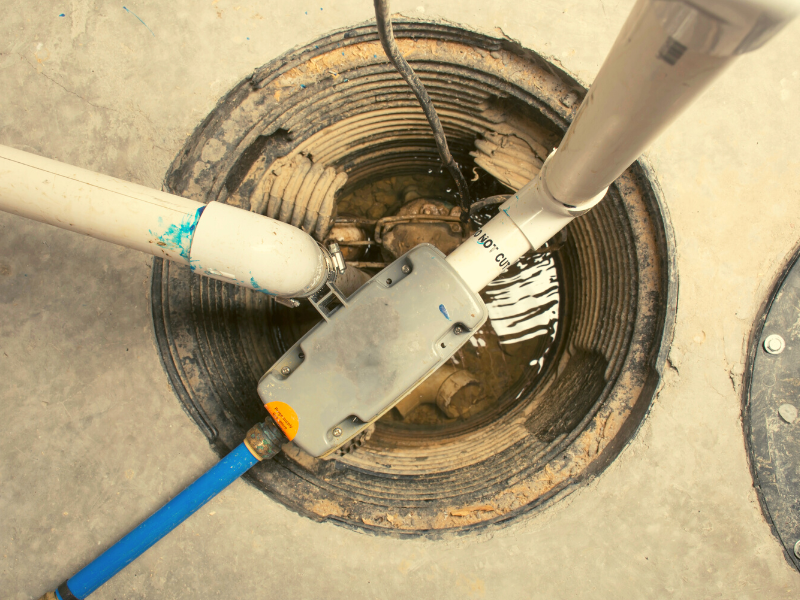
If water has ever breached your home, you know how costly and time-consuming repairs can be. Fortunately, you can avoid some of the worst water damage by installing a sump pump for your basement. Although any basement can experience a flood, if you have a basement it’s more likely that water will flow into your home through the floor. A sump pump will automatically activate when water levels rise high enough to trigger it.
It will then pump the water out and outside, away from your home. Sump pumps are relatively inexpensive and easy to install. You can purchase them at most hardware stores or online. The best time to install a sump pump is during the fall and winter when rainfall is minimal.
If you live in a flood-prone area, it’s best to get a heavy-duty, industrial-grade sump pump to protect your home from rising floodwaters.
Protect any electrical appliances or fixtures
If you live in a flood-prone area, you should protect any electrical appliances or fixtures in your home. Electrical equipment can be damaged by floodwaters if it’s not properly protected. To protect your fixtures and appliances from rising water, you can purchase a cheap flood barrier or line them up on an elevated surface.
You should also place flood-resistant electrical equipment near your water sources, such as water heaters or dishwashers. Most electrical equipment will have a water resistance rating printed on it, so you can easily identify the risk of damage. You can also protect your electrical equipment by installing a power surge protector, which will shut down if water levels become too high.
Get an insurance policy for floods and heavy rains
Choosing the right flood insurance is one of the most important things you can do to protect your home. Although every insurance policy is a little different, most will cover floods and heavy rains if your home is located in a flood plain.
Most standard homeowner’s insurance policies will cover floods and heavy rains, but you may have to pay a higher premium. It’s important to know your exact policy and the terms so you know what is and isn’t covered.
If your home is in a flood plain, you may need more expensive coverage, but it will likely be worth it. Any time there is a flood or heavy rain in your area, you can rest assured knowing your home is covered with the right flood insurance.
Add a buffer zone around your house
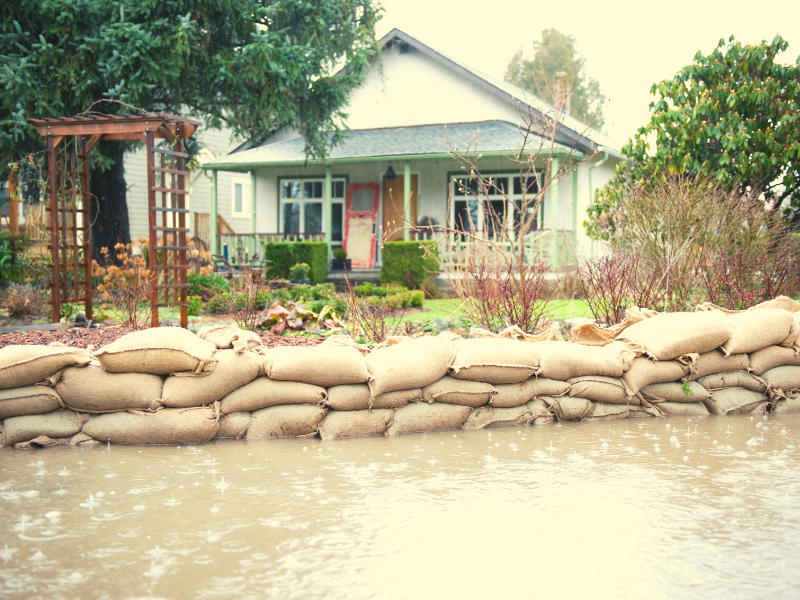
Another way to protect your home from floods is to add a buffer zone around your house. This is particularly helpful if you live by a river or creek. Before adding a buffer zone, you should check with your local municipality to see if there are any restrictions on how close you can build to the water’s edge.
You can add a buffer zone by planting tall bushes or trees or by building a sturdy fence. The taller the bushes or fence, the better they will be at blocking the flow of water from moving closer to your home. Additionally, you can add sandbags to your river’s edge to prevent water from rising.
Seal up your drywall and flooring
If your home has old flooring or drywall, it’s likely that it needs some renovation. If you don’t have the money to replace your flooring or drywall, you should at least seal it up. You can use a spray sealant on any cracks in your drywall, as well as any holes or cracks in your flooring.
Sealants will help prevent water from getting into your home and causing damage. They will also help prevent insects or pests from getting into your home.
Install a DIY CO detector
CO detectors are a must for any home, but they’re especially important if you live in an area at risk for flooding. If floodwaters breach your home, there’s a good chance that toxic CO gases will leak inside.
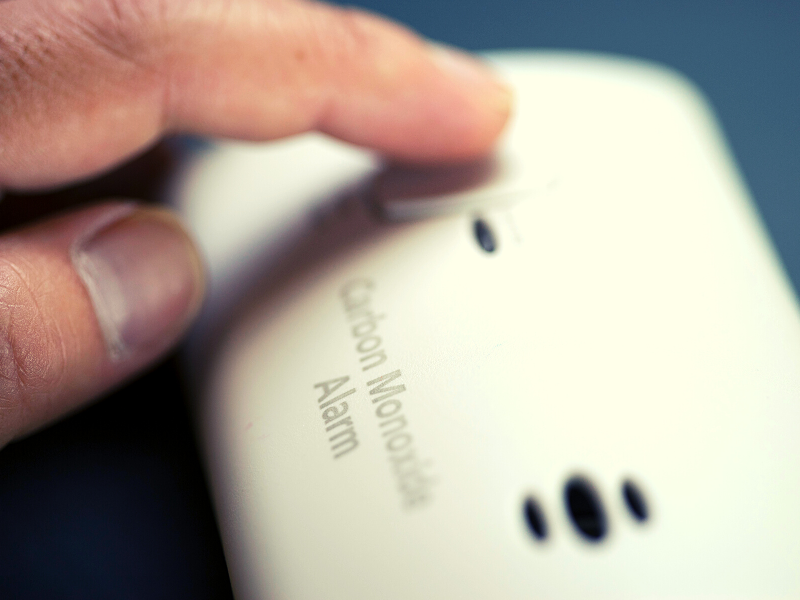
CO detectors are a great way to combat this risk. However, CO detectors take time to trigger and alert you that there are dangerous levels of CO in your home. CO detectors installed in your basement will also be unable to alert you to CO leaking into other areas of your home.
You can create a DIY CO detector by simply attaching a CO sensor to a water pump or a bubbler. These are designed to detect CO in the water and emit a loud alarm when dangerous levels of the gas are detected.
Install a dehumidifier with an automatic shut-off mechanism
If you’ve ever stepped foot in a flooded home, you know how musty and gross it can smell. Dehumidifiers are a great way to combat this problem. You can install a dehumidifier with an automatic shut-off mechanism to draw water from your home and keep it from rising.
Dehumidifiers are a little more expensive, but they’re a well-worth investment if you live in a flood-prone area. You can also use a bucket to catch the water that’s rising in your home and dehumidify it. It’s important to take all necessary precautions to protect your home from flooding.
Heavy rains and flash flooding can happen anytime and may only last a few hours. This means that you need to act quickly to protect your home from potential water damage by following these 9 tips.