
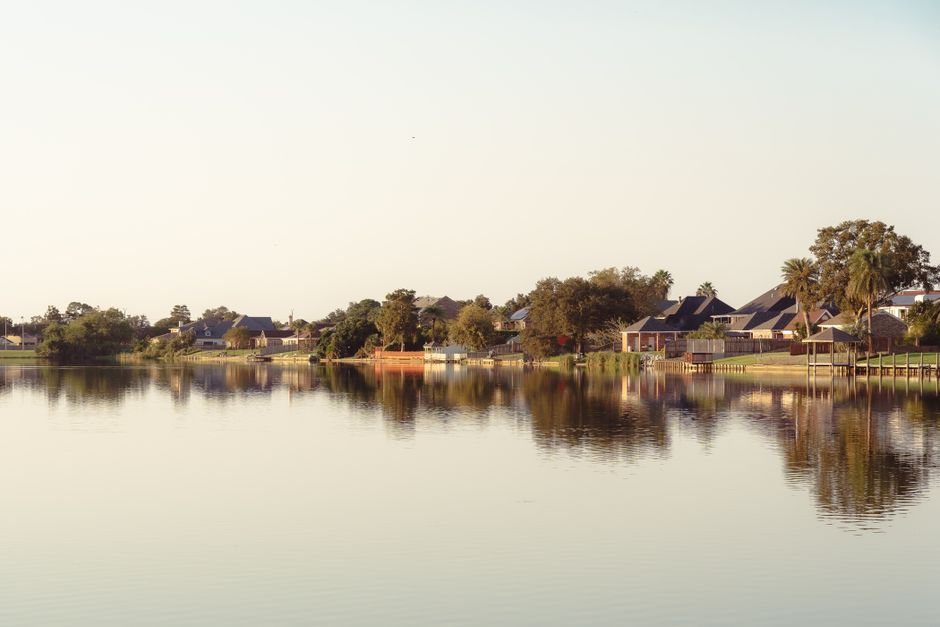
You’ve found your dream home in Covington, a perfect waterfront property with sunset views over the lake. Or perhaps you’re ready to sell your charming Mandeville cottage and move on to the next chapter. But in St. Tammany Parish, the journey from “For Sale” to “Sold” involves a unique legal landscape that can feel overwhelming. The rules here are different, rooted in a history that sets Louisiana apart from the rest of the country.

This is where the Arena Collective at pei-realty.com excels. As a dedicated team of local real estate professionals, our expertise goes beyond market trends and pricing strategies. We specialize in guiding clients through the specific legal nuances, parish regulations, and contractual obligations that define every transaction on the Northshore. This article will break down the key aspects of St. Tammany Parish real estate law, providing clear, actionable insights directly from our team to empower you in your transaction.
Key Takeaways
- Louisiana’s Civil Law system, based on the Napoleonic Code, creates unique property rights and inheritance laws (successions) that differ significantly from the common law systems in 49 other states.
- Thorough due diligence on title searches, flood zones, and parish-specific servitudes is non-negotiable in St. Tammany to avoid costly future surprises and protect your investment.
- The Louisiana Residential Agreement to Buy or Sell is a highly specific, legally binding document; understanding its strict contingencies and deadlines is crucial for both buyers and sellers.
- Partnering with a real estate team that possesses deep local legal knowledge, like the trusted St. Tammany Parish, LA professionals at Arena Collective, is the most effective way to protect your interests and ensure a smooth closing.
TL;DR
Navigating St. Tammany Parish real estate requires understanding Louisiana’s unique Civil Code, especially regarding property rights and successions. Buyers and sellers must be vigilant about parish-specific issues like flood zones and servitudes. The team at Arena Collective provides the expert local guidance needed to manage these legal complexities for a secure and successful transaction.
Understanding Louisiana’s Unique Napoleonic Code is the First Step to Navigating St. Tammany Parish Real Estate Transactions.
Before you can appreciate the specifics of a property listing in Slidell or a contract in Madisonville, you must first understand the legal foundation of the entire state. Unlike the rest of the nation, Louisiana’s legal framework is a direct descendant of the Napoleonic Code, creating a distinct set of rules for property ownership and transfer.
What Makes Louisiana Law Different: Civil Law vs. Common Law
The United States, with one exception, operates under a common law system inherited from England. This system relies heavily on judicial precedent—the collection of past court rulings. Louisiana, however, operates under a civil law system derived from French and Spanish traditions. As noted by the Louisiana State Bar Association, civil law is based on a comprehensive, codified set of statutes and laws that serve as the primary source of legal authority. For real estate, this means property rights, marital assets, and inheritance are defined with a different logic and vocabulary.
Key Concepts You’ll Encounter in St. Tammany Parish
This unique legal heritage introduces several critical concepts you will likely encounter during your transaction. Understanding them is essential.
- Community Property: In Louisiana, assets acquired by a couple during their marriage are generally considered “community property,” meaning they are owned equally by both spouses. This has significant implications for how a property can be bought, sold, or encumbered, as the consent of both spouses is often required.
- Forced Heirship & Successions: This is perhaps the most significant legal hurdle in Louisiana real estate. Louisiana law has provisions for “forced heirship,” which can require a portion of an estate to be left to specific heirs. A succession is the legal process of settling a deceased person’s estate and formally transferring property to their heirs. A property cannot be legally sold until the succession is formally completed and the title is cleared, a process that can be complex and time-consuming if not handled correctly.
Arena Collective Insight:
Our team always verifies that any succession issues have been fully resolved early in the process, preventing major delays right before closing. We’ve seen promising deals fall apart weeks before the closing date because an unresolved succession from a previous owner was discovered late in the game. This foundational check is a cornerstone of our due diligence for clients and a non-negotiable step in protecting their interests.
A Clean and Clear Title is Paramount in St. Tammany Parish, as Unresolved Issues Like Liens or Successions Can Derail a Sale.
The single most important legal document in your transaction is the property’s title. It is the official record of ownership. Ensuring it is “clean and clear” means proving that the seller has the undisputed legal right to transfer the property to you, free from any outside claims.
The Purpose of a Thorough Title Search
A title search is a comprehensive investigation into a property’s public records. A title company or real estate attorney examines decades of documents—deeds, mortgages, wills, tax records, and court judgments—to construct a chain of ownership and identify any potential problems. The goal is to confirm the seller’s legal right to sell and uncover hidden issues that could affect your ownership.
Common Title Problems We See in the Parish
In our experience across St. Tammany Parish, from Abita Springs to Pearl River, several common title defects can emerge:
- Unresolved Successions: An heir from a previous generation may still have a legal claim to the property.
- Liens: These are legal claims against the property for an unpaid debt. Common examples include unpaid property taxes, liens from contractors (known as a “mechanic’s lien”), or outstanding judgments from a lawsuit.
- Boundary or Survey Disputes: A neighbor’s fence might be encroaching on the property line, or an old survey may be inaccurate, creating confusion about the property’s true boundaries.
- Clerical Errors in Public Records: Simple mistakes in deeds or other recorded documents from years past can create significant title clouds.
Why Title Insurance is Your Ultimate Protection
No matter how thorough a title search is, hidden hazards can still exist. This is where title insurance becomes essential.
St. Tammany Parish Has Specific Zoning Regulations, Flood Zone Requirements, and Servitude Laws That Every Buyer and Seller Must Be Aware Of.
Beyond statewide laws, real estate is hyper-local. St. Tammany Parish has its own set of rules that directly impact property value, usage, and cost of ownership. Overlooking these local specifics is a common and costly mistake.
Checking the Zone: Parish-Specific Land Use Rules
Before you buy, you must verify that your intended use for the property aligns with St. Tammany Parish’s zoning ordinances. Are you hoping to run a small business from home? Do you plan on offering the property as a short-term rental? Zoning laws dictate what is permissible in residential, commercial, and mixed-use areas. A quick check with the parish planning and zoning department can prevent a major legal headache down the road.
A Northshore Necessity: Navigating Flood Zones and Insurance
Given its proximity to Lake Pontchartrain, the Tchefuncte River, and numerous bayous, understanding flood risk is critical in St. Tammany. The Federal Emergency Management Agency (FEMA) creates detailed flood maps that assign zones to every property. According to FEMA, these zones indicate the level of risk and have a direct impact on building requirements and insurance costs.

- Zone X: Areas of minimal to moderate flood risk. Flood insurance is typically not required by lenders but is often recommended.
- Zone AE: High-risk flood zones. Flood insurance is mandatory for properties with a federally backed mortgage.
The flood zone designation can add thousands of dollars to your annual homeownership costs, making it a crucial piece of your due diligence.
Understanding Servitudes (Easements)
In Louisiana, an easement is referred to as a servitude.
Servitude: A legal right that allows someone else to use a portion of your property for a specific purpose, even though you are the owner.
Common servitudes in St. Tammany include utility access for power lines or drainage ditches that run along the edge of a property. A shared driveway is another frequent example. These servitudes are attached to the deed and can restrict your ability to build a fence, shed, or pool in certain areas.
Arena Collective Insight:
We recently helped a client discover a forgotten drainage servitude running across the back of a property they loved in a new development. Their dream was to install a large swimming pool. By identifying the servitude early during our review of the property’s survey, we were able to negotiate with the seller and consult with the parish to ensure our client’s plans for their backyard oasis were still possible. This is the kind of proactive, detailed work that defines the Arena Collective’s expert services expertise.
The Louisiana Residential Agreement to Buy or Sell is a Legally Binding Contract with Specific Timelines and Contingencies That Protect Both Parties.
The purchase agreement is the central nervous system of your real estate transaction. In Louisiana, the state-mandated Residential Agreement to Buy or Sell is a detailed, multi-page document that leaves little room for ambiguity. It is not a simple offer; once signed by both parties, it is a legally enforceable contract.
Beyond the Offer Price: Critical Clauses to Understand
While the price is important, the contingencies and deadlines within the contract are what truly protect you.
- Inspection and Due Diligence Period: This clause grants the buyer a specific number of days to conduct all desired inspections—from a general home inspection to more specialized checks for termites, mold, or structural issues. If unsatisfactory results are found, the buyer typically has the right to request repairs or terminate the contract.
- Financing Contingency: This is a crucial protection for the buyer. It states that the purchase is contingent upon the buyer’s ability to secure a loan on specified terms. If the buyer cannot get financing within the allotted time, they can exit the contract without losing their deposit.
- Property Disclosures: Louisiana law requires sellers to provide a Property Disclosure Document, revealing any known defects in the property. Honesty here is not just good practice; it’s a legal obligation.
The Power of Deadlines in Real Estate Contracts
Every date in the Louisiana purchase agreement matters. Missing a deadline—whether for completing inspections, securing loan approval, or delivering a deposit—can put you in breach of contract, potentially resulting in the loss of your deposit or even legal action. Meticulous tracking of these dates is a critical function of an experienced real estate agent.
The Arena Collective at pei-realty.com Acts as Your Strategic Guide, Bridging the Gap Between Complex Real Estate Law and a Smooth, Successful Transaction.
Understanding these legal principles is one thing; applying them effectively to a live transaction is another. This is where our team’s role extends far beyond showing homes or marketing a listing. We serve as your strategic partners, dedicated to navigating the legal complexities on your behalf.
How We Proactively Identify Legal Red Flags
Our process begins long before an offer is written. We scrutinize property histories, review seller disclosures, and pull parish records to spot potential issues before they can become deal-breakers. By asking the right questions about successions, servitudes, and property boundaries upfront, we mitigate risk and position our clients for a stronger negotiating stance. This proactive approach is a hallmark of the service provided by Arena Collective, known for their specialized solutions in complex real estate matters.
Our Vetted Network of Local Experts
A successful transaction requires a team of specialists. We have cultivated a trusted network of St. Tammany Parish’s top real estate attorneys, title companies, surveyors, and home inspectors. These are professionals who understand the local landscape and share our commitment to client protection. When a legal question or a complex survey issue arises, we connect you with the right expert immediately, ensuring you receive accurate advice without delay. The variety of properties and legal situations you might encounter can be explored further by reviewing our extensive resources, such as our post sitemap.
We Are Your Advocates from Offer to Closing
Ultimately, our role is to be more than just agents. We are project managers and fierce advocates dedicated to protecting your legal and financial interests. From drafting an offer with contingencies that safeguard your position to meticulously monitoring contract deadlines and reviewing closing documents for accuracy, we manage every detail. Our goal is to ensure you arrive at the closing table with complete confidence, knowing every legal “i” has been dotted and “t” has been crossed. This comprehensive management of the entire process is detailed across our main site pages.
Your Path to a Legally Sound Transaction
While the real estate laws of St. Tammany Parish have their unique complexities, from the Napoleonic Code to hyper-local flood zone rules, they are entirely manageable with the right expertise and a proactive approach. Knowledge is your first line of defense, and a skilled guide is your most powerful tool.
The deep, localized knowledge of the Arena Collective is your greatest asset in ensuring a transaction that is not only successful but also legally sound. In a market where details matter immensely, don’t leave your largest investment to chance. By understanding the legal framework and partnering with a team that prioritizes your protection, you can navigate the Northshore real estate market with confidence and clarity. Whether you are interested in a specific type of property or a particular community, our category pages offer a wealth of targeted information.